
The Importance of Financial Preparation for International Travel: What You Need to Know Before Visiting Greece
Effective financial planning in Greece requires a basic understanding of how money works in the country. Whether you’re planning a short city break, a combined itinerary to explore Athens and the Greek Islands, or an extended stay (slow travel is a growing trend), knowing how to manage your finances can enhance your experience. Being prepared also ensures you’re equipped to handle emergencies.
This guide provides everything you need to know about using money in Greece, including information on the local currency, credit and debit card usage, ATMs, and currency exchange tips.
Currency in Greece
Euro is the Local Currency
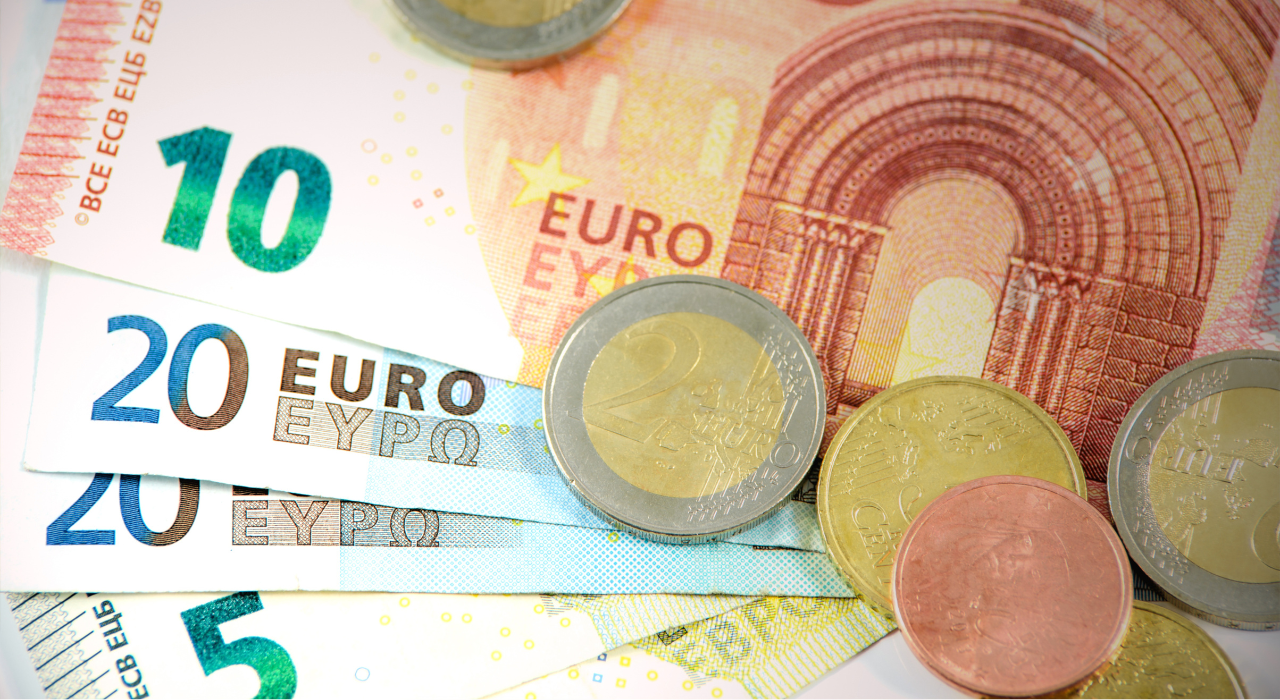
Greece has been part of the Eurozone since January 1st, 2002, and the official currency is the euro (€). The euro comes in both notes and coins:
- Banknotes: €5, €10, €20, €50, €100, €200, and €500 (though the €500 note is rare)
- Coins: €1 and €2 coins, as well as 1, 2, 5, 10, 20, and 50-cent denominations
It is highly recommended to always carry at least some cash with you at all times while traveling in Greece. 20-50 euros per person for a couple of days is more than enough.
Banks in Greece
Major Banks and Opening Hours
Greece has several major banks, including:
- Alpha Bank
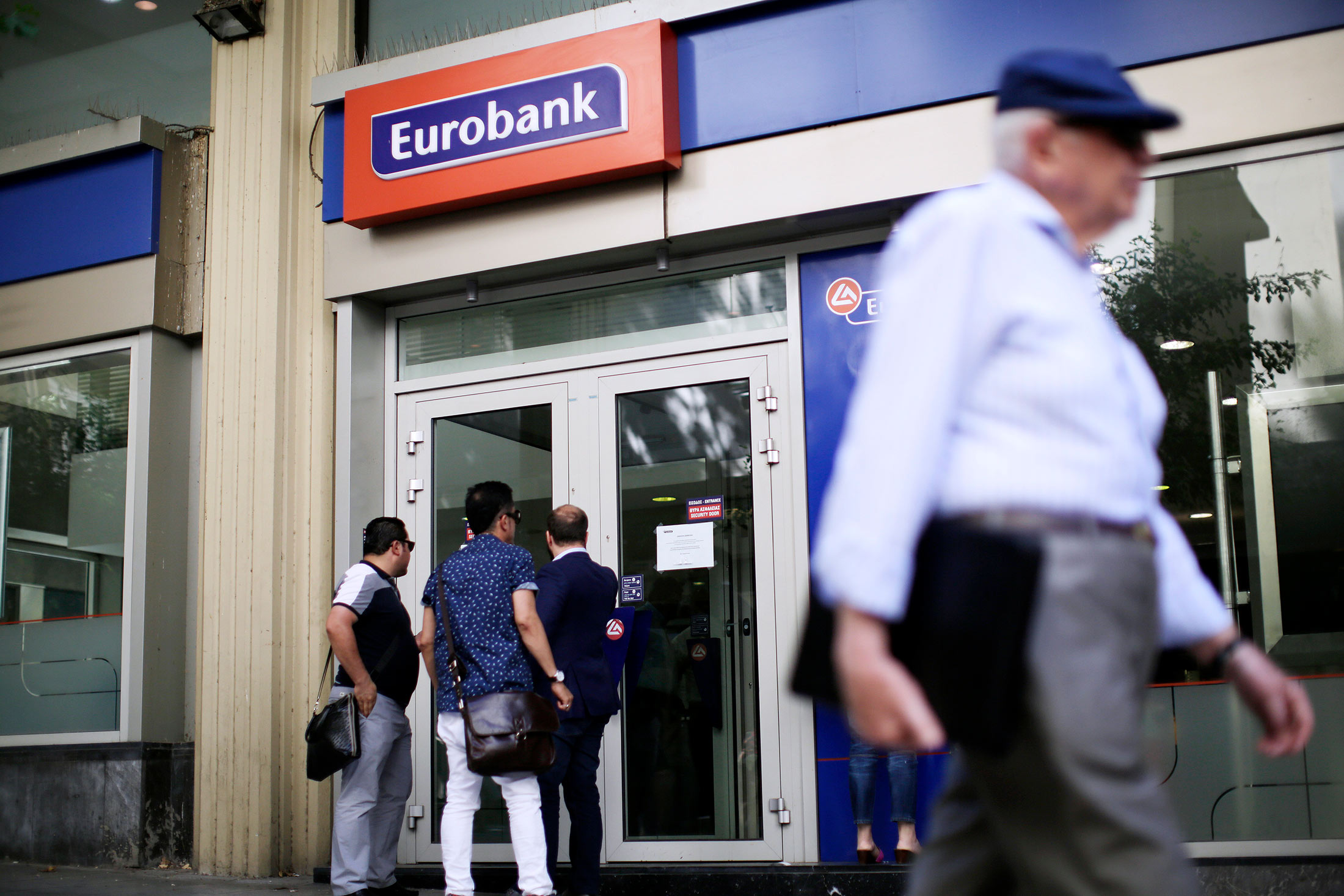
- Eurobank
- National Bank of Greece
- Piraeus Bank
These banks have branches in all major cities, with opening hours typically from 8 AM to 2 PM, Monday to Friday. Note that banks are closed on public holidays.
Essential Money Tips for Greece
Greece may be part of the Eurozone, but everyday money habits here still carry a local flavor, shaped by tradition, geography, and a touch of Mediterranean unpredictability. To make your trip smooth (and avoid those “cash only” surprises), here’s what you should know:
Cash is King
In villages, islands, and family-run tavernas, cash remains the preferred method of payment. Always keep some Euros handy—especially in rural or off-the-beaten-path spots—where card machines can be unreliable or non-existent.
ATMs & Access
You’ll find ATMs everywhere in big cities like Athens, but they’re fewer and farther between on smaller islands. During peak summer months, machines can even run out of cash due to high tourist demand. Plan ahead and withdraw what you need before heading into remote areas.
Cards in Cities
In Athens, Thessaloniki, and other major urban centers, credit cards are widely accepted. Visa and Mastercard work best, while American Express and Discover are less common. Still, don’t be surprised if a local taverna’s card processing terminal suddenly “goes on strike”—cash will save the day.
Pay Major Expenses Prior to Your Arrival
Expenditures like accommodation, domestic Greece flights, ferry tickets and car rentals can blow your daily credit card or international usage limits and leave you and your loved ones stranded for no reason. These costs are better to be paid off in advance from your home country to avoid any problems with your local bank.
Local Norms
Money etiquette matters here. Small tips are appreciated in cafés and restaurants, and asking for a receipt is standard practice. These little details help you blend in and avoid awkward moments.
Seasonal Surprises
Summer brings crowds—and with them, quirks like minimum charges for card payments or cash-strapped ATMs. In winter, on the other hand, fewer visitors mean things run at a slower, more relaxed pace, but you should still carry cash for family-owned businesses.
A Note on the Real Economic Environment of Greece
Greece’s recent economic challenges have reinforced its reliance on cash, particularly outside tourist hotspots. Travelers who come prepared with both cash and cards find themselves the most flexible.
Pro Tip: Always carry a mix of cash and cards, withdraw in advance when traveling to smaller islands, and expect seasonal quirks in how businesses handle money. With a little preparation, your financial interactions in Greece will be as smooth as your first sip of ouzo by the sea.
Avoid (or at least minimize) cash exchange to save money
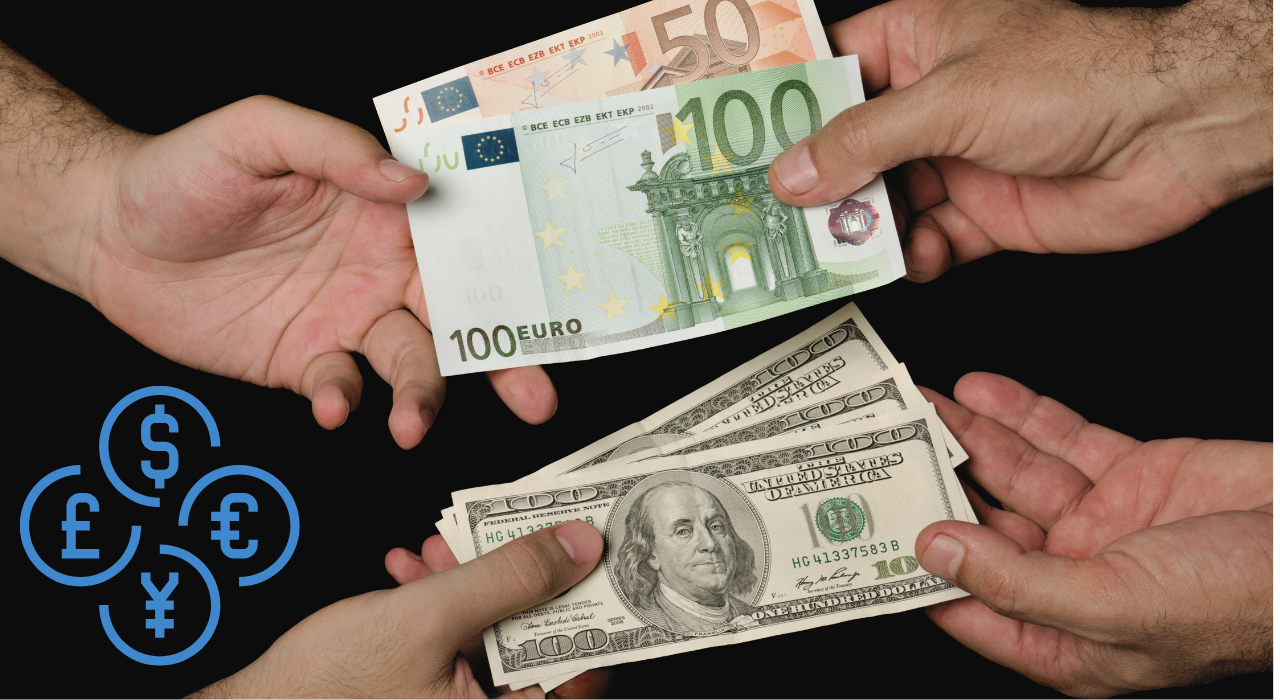
When traveling in Greece, it’s smart to minimize cash exchanges to save both time and money. Exchanging cash at airports, ports, or tourist hotspots often comes with high fees and poor exchange rates. Instead, use ATMs to withdraw euros directly, and always choose the option to be charged in local currency to avoid extra conversion fees.
Credit and debit cards are widely accepted, especially in urban areas, offering a convenient and secure way to manage your expenses. By cutting down on cash exchanges, you can stretch your travel budget further and spend more time enjoying your trip!
One essential money tip:
When paying by credit card, always opt to pay in the local currency to avoid expensive currency exchange fees. Find more tips on using credit cards in Greece.
Money Travel Guides
Essential Money Tips
Our essential money tips for stress-free travel in Greece
Currency Exchange
Exchange money from your local currency to euros
ATM Guide
Learn how to avoid ATM charges and use them safely
Tipping Guide
Extensive tipping guide featuring common tip practices
Credit Cards
Using credit cards as a payment method in Greece
US Dollars in Greece
Can you pay using US dollars in Greece?
Using Cash
A complete guide for managing cash while traveling in Greece
Money FAQ
Frequently asked questions about money in Greece
Explore our travel section
Accommodation For Travelers
Cloudkeys provides fully furnished apartments in Athens at convenient locations for holiday, business, medical or conference travel. Browse our Athens apartments and book your stay today!