
Greece Travel > Money >
Tips for cost-efficient cash machine use
Many travelers to Greece resort to using ATMs for withdrawing cash or for conducting banking tasks such as checking for balances on a bank account. Learn about the available options and cost considerations with our extensive guide. This comprehensive guide covers everything travelers need to know about using ATMs in Greece, from understanding fees and transaction costs to finding reliable machines and avoiding common pitfalls.
While planning your visit, it’s easy to overlook an important aspect of travel: how to handle money. ATMs are a convenient way to access Euros while in Greece, but using them without preparation can lead to unnecessary fees, confusion, or even leaving you without cash in remote areas.
ATMs are a convenient way to access Euros while in Greece, but using them without preparation can lead to unnecessary fees, confusion, or even leaving you without cash in remote areas. Additionally major banks are closing many branches down recently, leaving only ATMs at some islands and other remote locations.
As a general rule of thumb, Greece has transformed many financial aspects and credit cards are now widely accepted. In many business sectors, offering credit card as a method of payment is even mandatory. However there are many situations where cash might just be the better financial alternative.
- Daily Withdrawal Limits: Most ATMs in Greece have a daily withdrawal limit, typically around €600. This limit may also depend on your home bank’s policies. Some banks may lower withdrawal limits during the peak holiday travel season.
- Flat Fee for Foreign Cards: Expect to pay a flat fee ranging from €2 to €4 for using a foreign card, in addition to any exchange rate fees.
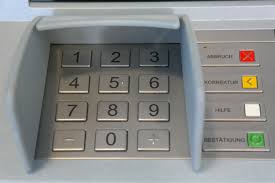
- PIN Codes: Greek ATMs only accept 4-digit PINs. If your card uses a longer PIN or includes letters, consider changing it before you travel.
- Remote areas, Smaller Towns and Islands: If traveling to more remote areas, carry enough cash as ATMs might run out of money or be less available.
- Tourist ATMs: Avoid using “tourist ATMs” that don’t belong to local banks, as they often have higher fees and less favorable exchange rates. These are typically marked with huge illuminated ATM signs.
- Cash Points Require Vigilance: Withdrawing money from cash machines which are not in a protected environment poses risks for thefts. Always be vigilant for “prying eyes” around you.
Currency Conversion Fees: Always Prefer Transactions in Euros
Dynamic Currency Conversion (DCC) is an ATM service that allows you to see the transaction amount in your home currency instead of Euros. While it seems helpful, DCC often comes with unfavorable exchange rates and additional fees. Always opt to use currency exchange rates in Euros.
Some international banks partner with Greek banks to waive ATM fees. Check if your bank has partnerships with Greek banks like Piraeus Bank, Alpha Bank, Ethniki or Eurobank.
Tips for Minimizing ATM Fees
Fees can add up quickly, but there are ways to reduce them while using ATMs in Greece:
- Use Bank-Partner ATMs: Check if your home bank has a partnership with Greek banks to waive fees.
- Withdraw Larger Amounts: Minimize the number of withdrawals to avoid multiple transaction fees.
- Avoid Standalone ATMs: Machines not attached to banks often have higher fees and may be less secure. Prefer the four Greek banks mentioned above.
- Research Your Card Fees: Use a travel-friendly card with no foreign transaction fees.
- Check Your Home Bank Policies: Some banks reimburse international ATM fees, making them a good choice for frequent travelers.
- Avoid Dynamic Currency Conversion: Always choose to pay in Euros for a better exchange rate.
- Some common banking tasks may incur fees: Checking your balance or other tasks enabled on ATM machines can carry additional charges. ATMs which are not tied to a major Greek bank are notoriously known for these types of charges. Use your bank’s mobile app instead for such tasks.
What to Do If You Encounter Problems
Even with careful planning, issues can arise when using ATMs in Greece. Here’s how to handle them:
- Card Blocked or Retained: If the machine retains your card, contact your bank immediately and notify the bank that owns the ATM.
- Incorrect Charges: Monitor your bank account regularly and report any discrepancies to your bank.
- Insufficient Funds: ATMs may run out of cash during busy seasons. Try another machine or head to a larger town for better options.
- Lost or Stolen Card: Report the loss to your bank immediately. Many banks offer emergency card replacement services.
Greece Travel > Money >
ATM Availability
Cash machines are widely available in Athens and other major cities and islands, often found in locations like:
- Outside bank branches
- Large squares
- Tourist hotspots have multiple ATMs available
- Metro stations or other major hubs such as Ports or Airports
- Supermarkets and grocery stores
- Shopping centers and local shopping streets
- Airports and major ports
Finding ATMs
Cash machines are easy to locate in most cities and towns, but having a strategy ensures you’re never caught without cash:
- In Cities: Look for ATMs attached to major banks like Piraeus Bank, National Bank of Greece, or Eurobank.
- At Airports: Most international airports in Greece have multiple ATMs near arrivals and departures.
- On Islands: Main towns and tourist areas usually have ATMs, but smaller villages may not. Plan withdrawals accordingly.
- Via Apps: Use mapping apps or your bank’s app to locate the nearest ATMs.
ATM Safety Tips
While using ATMs in Greece is generally safe, it’s important to stay vigilant and follow these tips:
- Use Bank ATMs: Stick to ATMs located in banks or well-lit public areas. Avoid isolated or standalone machines.
- Inspect the Machine: Check for signs of tampering or skimming devices on the card slot.
- Shield Your PIN: Cover the keypad when entering your PIN to prevent it from being seen by others or recorded by cameras.
- Avoid Large Withdrawals: Carrying large amounts of cash can make you a target for theft, especially at tourist hotspots. Withdraw only what you need.
- Keep Receipts: Retain your ATM receipts until you verify the transaction on your bank statement.
- Be Alert in Crowded Areas: Tourist hotspots are prime locations for pickpockets. Secure your cash and cards immediately after withdrawing.
Greece Travel Money Guides
Essential Money Tips
Our essential money tips for stress-free travel in Greece
Currency Exchange
Exchange money from your local currency to euros
ATM Guide
Learn how to avoid ATM charges and use them safely
Tipping Guide
Extensive tipping guide featuring common tip practices
Credit Cards
Using credit cards as a payment method in Greece
US Dollars in Greece
Can you pay using US dollars in Greece?
Using Cash
A complete guide for managing cash while traveling in Greece
Money FAQ
Frequently asked questions about money in Greece
Explore our travel section
For Travelers
Cloudkeys provides fully furnished apartments in Athens at convenient locations for holiday, business, medical or conference travel. Browse our Athens apartments and book your stay today!